Cybersecurity
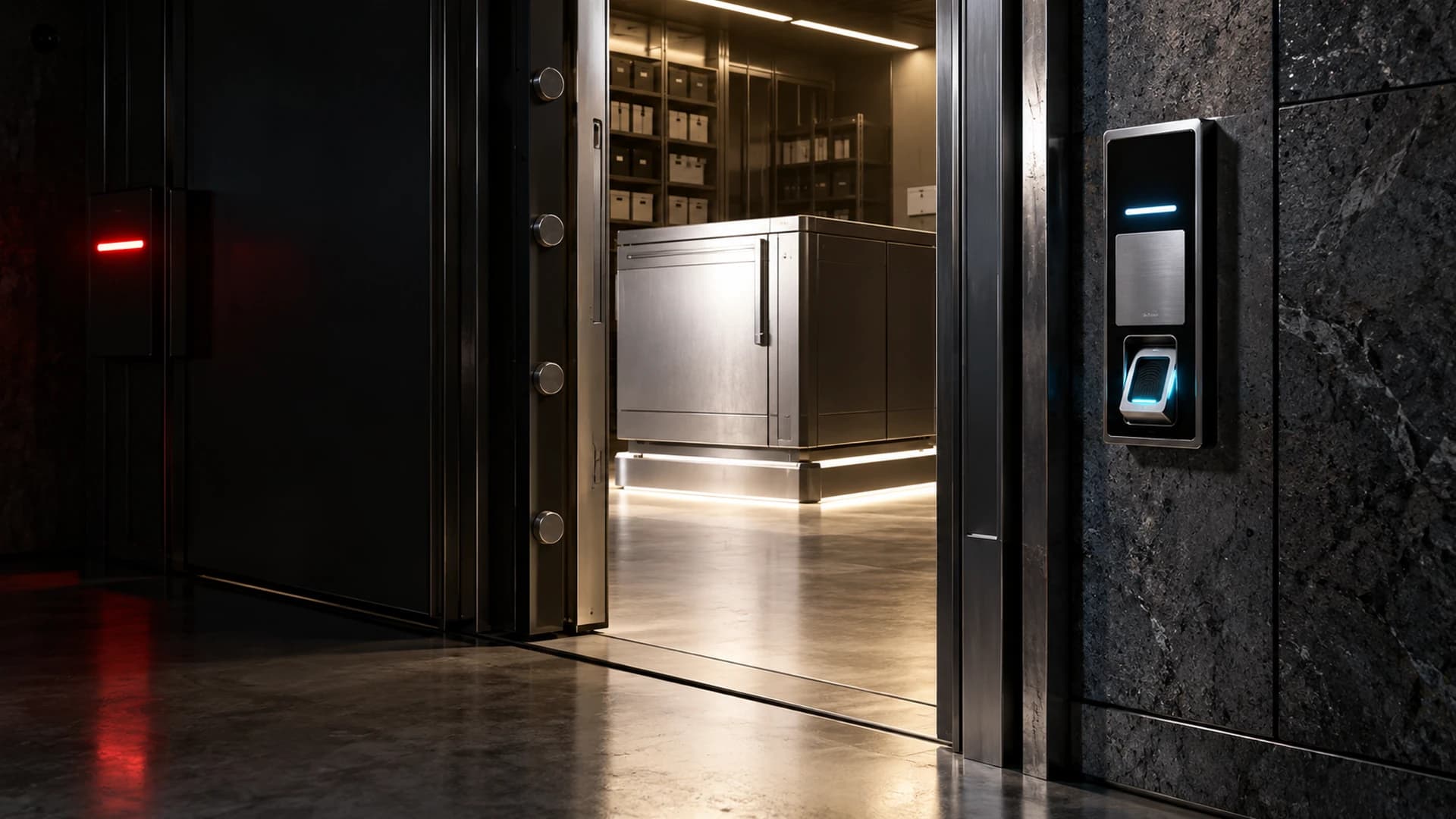
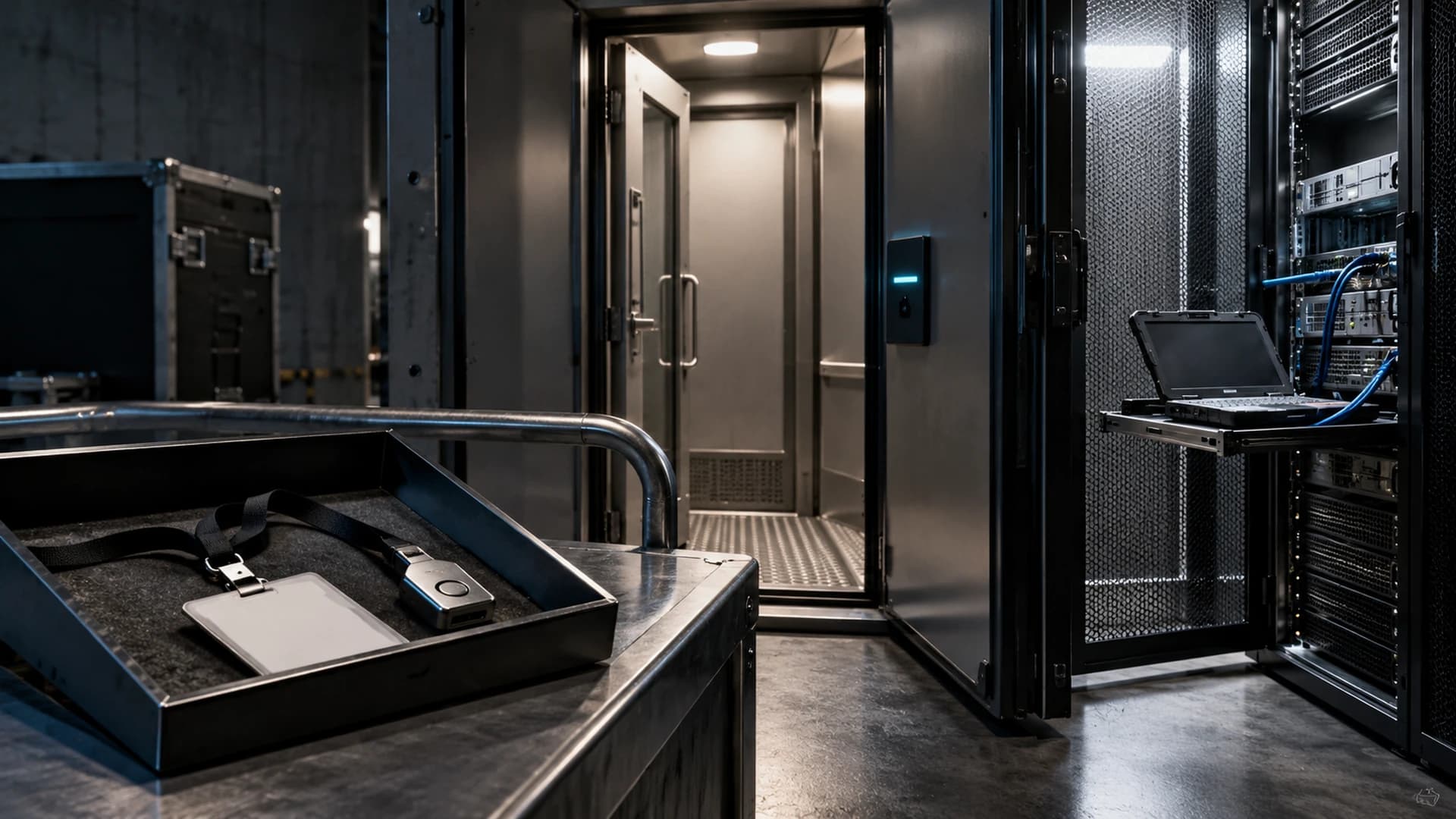
Securing Vendor Access to Company Systems
A supplier may legitimately require temporary access for maintenance, but permanent broad permissions create unnecessary exposure after the engagement ends.
01Practical perspectives on software, security and the systems behind modern business.
A supplier may legitimately require temporary access for maintenance, but permanent broad permissions create unnecessary exposure after the engagement ends.
01Two systems with the same vulnerability score may pose different business risk. Reachability, active exploitation, data sensitivity and available compensating controls should influence remediation order.
02A security review is useful only when it addresses the features changed in the release. Static scans are necessary inputs but do not prove that approval boundaries, sessions or business rules still work.
03Explore where AI assistance may help enterprise workflows, how human review and governed data remain essential, and how to evaluate a pre-launch product vision.
04Explore how connected work can reduce fragmented context across tasks, approvals, documents and business operations, and understand PRAESYNX Workspace’s pre-launch vision.
05Requirements should describe observable business outcomes rather than screenshots or vague promises. A requirement such as 'fast reporting' gives neither engineering nor the business a reliable acceptance boundary.
06Build a realistic Zero Trust roadmap around sensitive resources, identity, device signals, limited privileges and tests that prove access is revoked.
07Zero Trust is a security architecture approach rather than a product label. Teams can begin by tightening identity and resource decisions instead of attempting a disruptive replacement of every network segment.
08